

How we work with investors
Three ways investors work with us
Developments
Land and development plays that trade quietly through relationships, not the MLS. We hear about them early, run the numbers on entitlements, build cost, and exit, and bring you the ones that pencil out.
Ask about current dealsApartment buildings
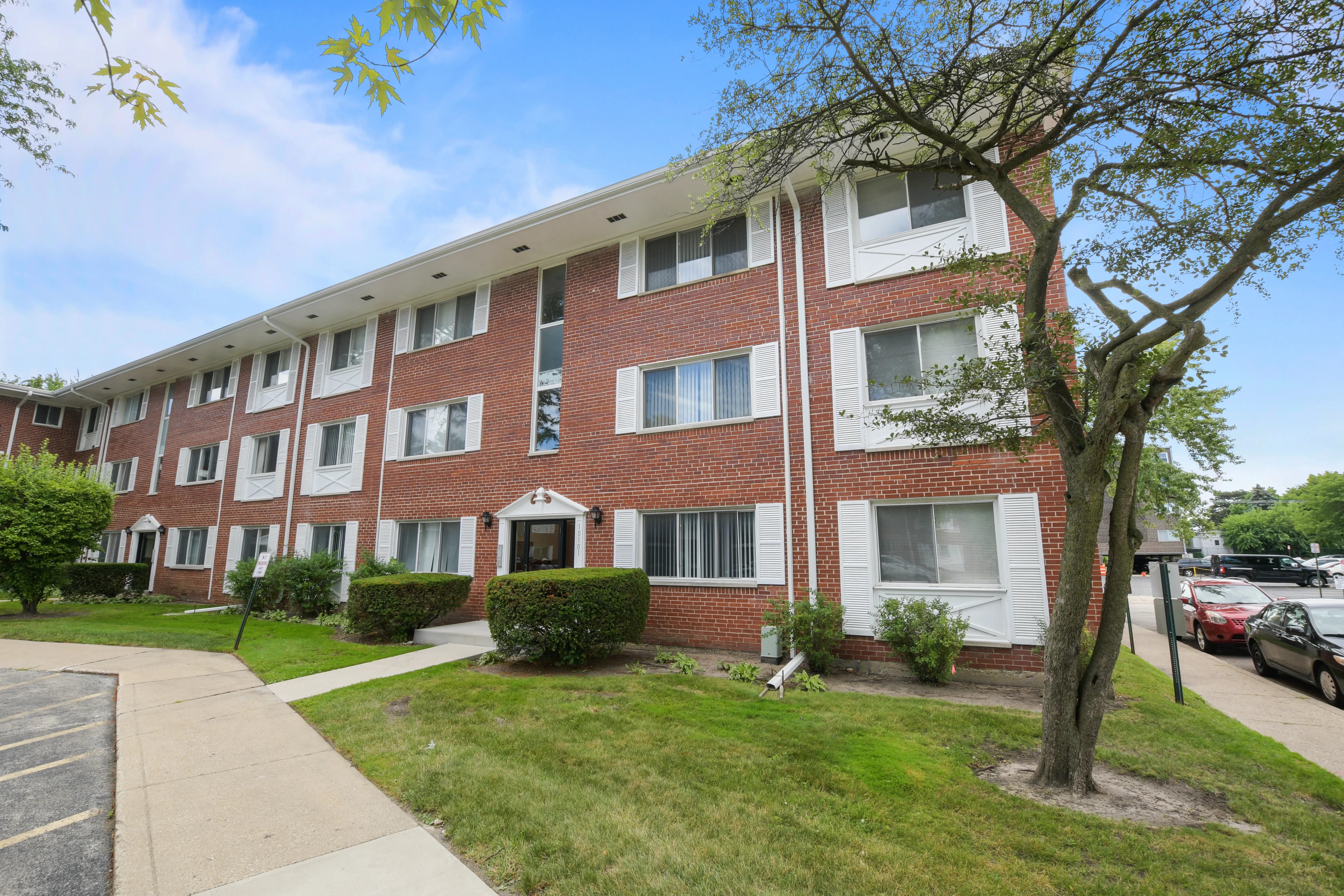
Two-flats to mid-size buildings across the North Shore, Lake County, and Chicago. We read the rent roll, stress the cap rate against real financing, and tell you what the building actually throws off after taxes and vacancy.
Ask about current dealsFix-and-flip & new construction
Distressed houses, tear-downs, and infill construction where the margin lives in the details. We underwrite the purchase, the budget, the carry, and the resale so you know your spread before you commit.
Ask about current dealsUnderwritten the way an owner's accountant would do it
Erik is a CPA and a former CFO and COO. We do not fall in love with a property and then find numbers to justify it. We run the math first, and if a deal does not work we say so and tell you why.
You walk into every offer knowing the real return, the real risk, and the point where you should walk away. Some of the best money we make for clients is on the buildings we tell them not to buy.
- Rent roll
- Actual leases and end dates, not the broker's market-rent story.
- Expenses
- Taxes, insurance, utilities, maintenance, management, reserves. The honest ratio.
- Cap rate vs debt
- If financing costs more than the cap rate, leverage is working against you.
- The bad year
- A vacancy, a boiler, a reassessment. The deal has to survive it on paper first.
How investing with us works
Step 1 · Define your thesis and budget
Cash flow, appreciation, a development, or a quick flip. We set the budget, the target markets, and the returns you need before we look at a single property.
Step 2 · Source on and off market
We work our relationships for off-market buildings and screen the public inventory too. You see deals that fit the thesis, not everything for sale.
Step 3 · Underwrite honestly
Rent rolls, cap rates, operating expenses, downside. We model the real numbers, including the deals that do not clear your bar.
Step 4 · Structure the financing
We help shape the capital stack and connect you with lenders who actually fund this kind of deal, so the terms match the business plan.
Step 5 · Negotiate and close
Price and terms with the numbers on our side, then due diligence and inspections driven hard to the closing table.
Step 6 · Connect to management
Property managers, contractors, and the people who keep a building running, so day one of ownership is handled.
Tell us what you are trying to build
Send your goals and we bring back deals that fit, with the underwriting already done. Every conversation starts with the numbers.
If a deal does not work for you, we will be the first to say it.