

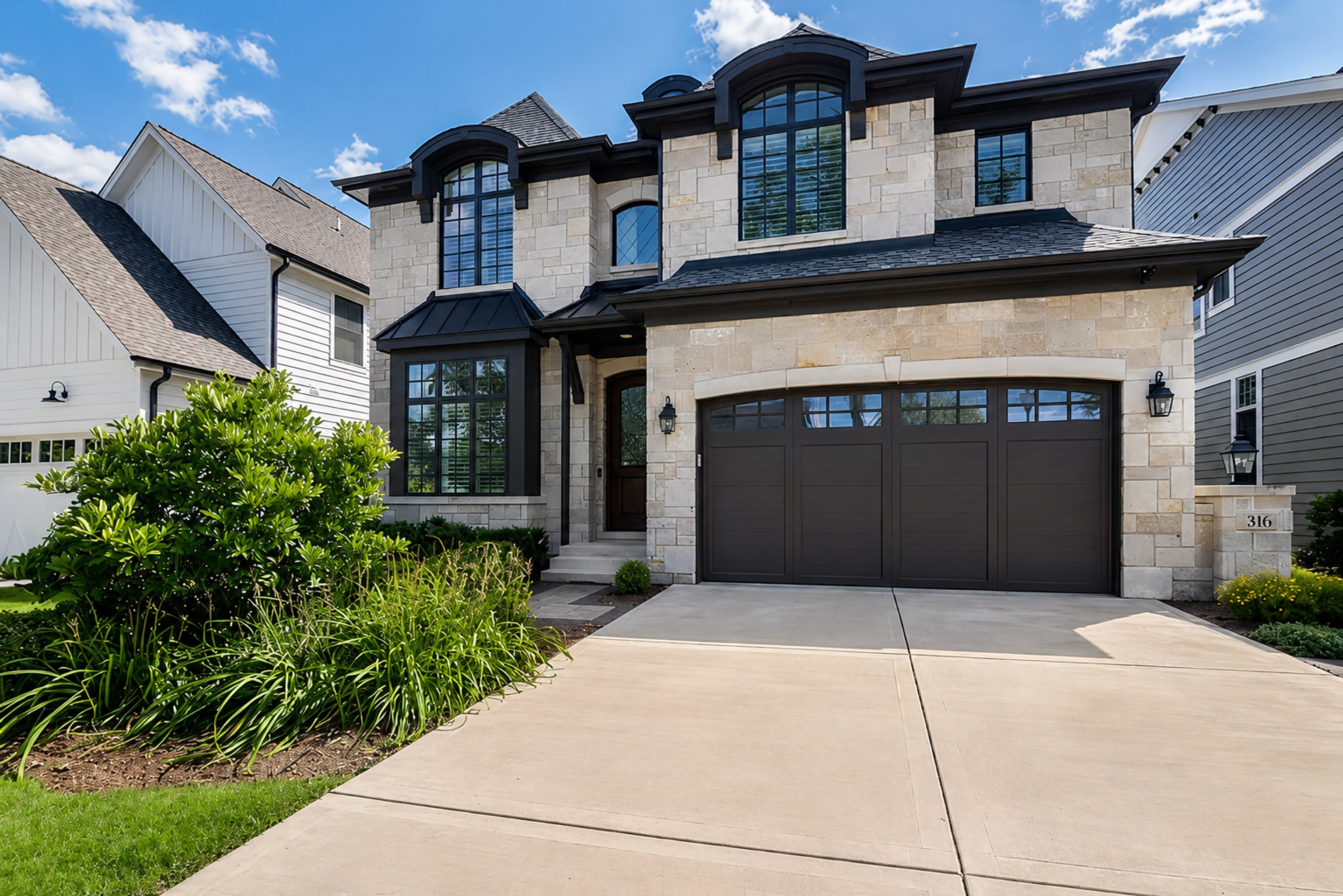
Looking to buy? The Gimbel Group has you covered
Six steps from first call to keys
Step 1 · Get pre-approved and set a real budget
Before the first showing, we help you find a lender who moves fast and set a budget on the true monthly cost, taxes and insurance included, so you shop with confidence.
Step 2 · Define what actually matters
Schools, commute, yard, walkability, resale. We narrow the towns and streets that fit and skip the ones that waste your Saturdays.
Step 3 · Tour homes with us
We point out the water heater, the roof line, and the addition that was done without a permit, along with everything worth loving.
Step 4 · Run the true cost of owning
For any house you are serious about, we pull the actual tax bill and give you a monthly number you can hold us to. Never a surprise at closing.
Step 5 · Negotiate with the comps behind you
Your offer comes with data attached. We negotiate price, terms, and credits hard, and we tell you when to walk away.
Step 6 · Attorney review, inspect, close
Illinois is an attorney-review state, and we quarterback the whole sequence: attorney, inspection, appraisal, final walkthrough, keys.
Run the monthly number before you fall for the house
Property taxes around here move the payment by hundreds a month between towns. This calculator uses each town's actual effective-rate estimate, so the number is honest.
What a home really costs per month
Principal and interest on a 30-year fixed, plus the town's property tax and insurance. The tax line is what surprises people.
- Principal & interest
- $3,800
- Property tax (2.7% effective, 2025)
- $1,675
- Homeowners insurance
- $225
Planning estimate. Taxes vary by property and exemptions; we pull the actual bill on any home you are serious about.
Then compare the towns you are choosing between
The same tax math side by side, plus the districts each town feeds. Up to three towns at once, and the cheapest figure in each row gets marked.
Compare the towns
Property taxes, schools, and the state’s own proficiency figures, side by side. Look one town up on its own, or add up to two more and the leading figure in each row gets marked: lowest tax, highest proficiency.
| Glencoe | Wilmette | |
|---|---|---|
| County | Cook County | Cook County |
| Effective tax rate | 1.8%tax year 2024 | 1.7%tax year 2024 |
| Tax on $750,000 | $14,000 / yr | $13,000 / yrLowest |
| Per month | $1,150 / mo | $1,050 / mo |
| Elementary / middle | Glencoe SD 35ELA 85.6% Math 81.7%Highest | Wilmette SD 39ELA 85.7% Math 77.1% |
| High school | New Trier Township High SchoolNew Trier Township HSD 203ELA 87.7% Math 86.1% Grad 97.5% | New Trier Township High SchoolNew Trier Township HSD 203ELA 87.7% Math 86.1% Grad 97.5% |
On a $750,000 home, Wilmette is the lowest at roughly $13,000 a year. Glencoe runs about $1,250 more, in the region of $100 a month.
Every town here feeds the same high school, New Trier Township High School. That gap does not buy a different high school.
Each rate is annual tax as a share of market value, net of the general homestead exemption, built from the certified composite rate for the town’s main tax code, the state equalization factor, and the county assessment level (10 percent in Cook, a third in Lake and DuPage). Cook figures are tax year 2024, the most recent certified; Lake and DuPage are 2025. Two addresses in one town can sit about 15 percent either side of these numbers because of exemptions, assessment history, and district lines that split inside a town, so treat them as planning figures and confirm a specific address with the county assessor. For the full monthly payment with principal and interest, run the cost calculator.
School figures are published by the Illinois State Board of Education on the 2024-25 report card: the share of students proficient in ELA and math, and the four-year graduation rate. High school figures are for the specific school a town feeds rather than the district average, because Highland Park and Deerfield share a district but not a building. Elementary figures are district-wide. The mark is simply the higher number among the towns you picked, which is one measure and not the whole of a school. Look any school up yourself at illinoisreportcard.com.
We are the second opinion built into your first one
A house is the biggest thing most people ever buy, and the listing side has professionals on it. You should too.
The honest number
We tell you what a home is worth even when it is less than the asking price, and we have talked clients out of houses that were wrong for them.
Local to the block
Districts that split mid-street, flood-prone corners, assessments about to reset. The details that never make the listing.
Bilingual, start to finish
English and Spanish through the whole transaction, including the paperwork.
FAQ: Buying
Why are property taxes so high in Illinois and around the North Shore?
Sources: Cook County Clerk, 2024 tax rate report, Lake County Clerk, tax extension data, DuPage County Clerk, property tax reports
What is the difference between Lake County and Cook County property taxes?
Sources: Cook County Clerk, 2024 equalization factor, Cook County Assessor, homeowner exemption, 35 ILCS 200/15-175, general homestead exemption, Lake County, equalization factors
Which school districts serve Highland Park and Deerfield?
What closing costs does a buyer pay in Illinois?
Do you work with first-time buyers?
Tell us what you are looking for
A town, a budget, a school district, or just a feeling. We will turn it into a short list worth touring.